Your Guide to Fabric-Specific Carpet Cleaning in Singapore
By MyCleanHome · April 2026 · 7 min read
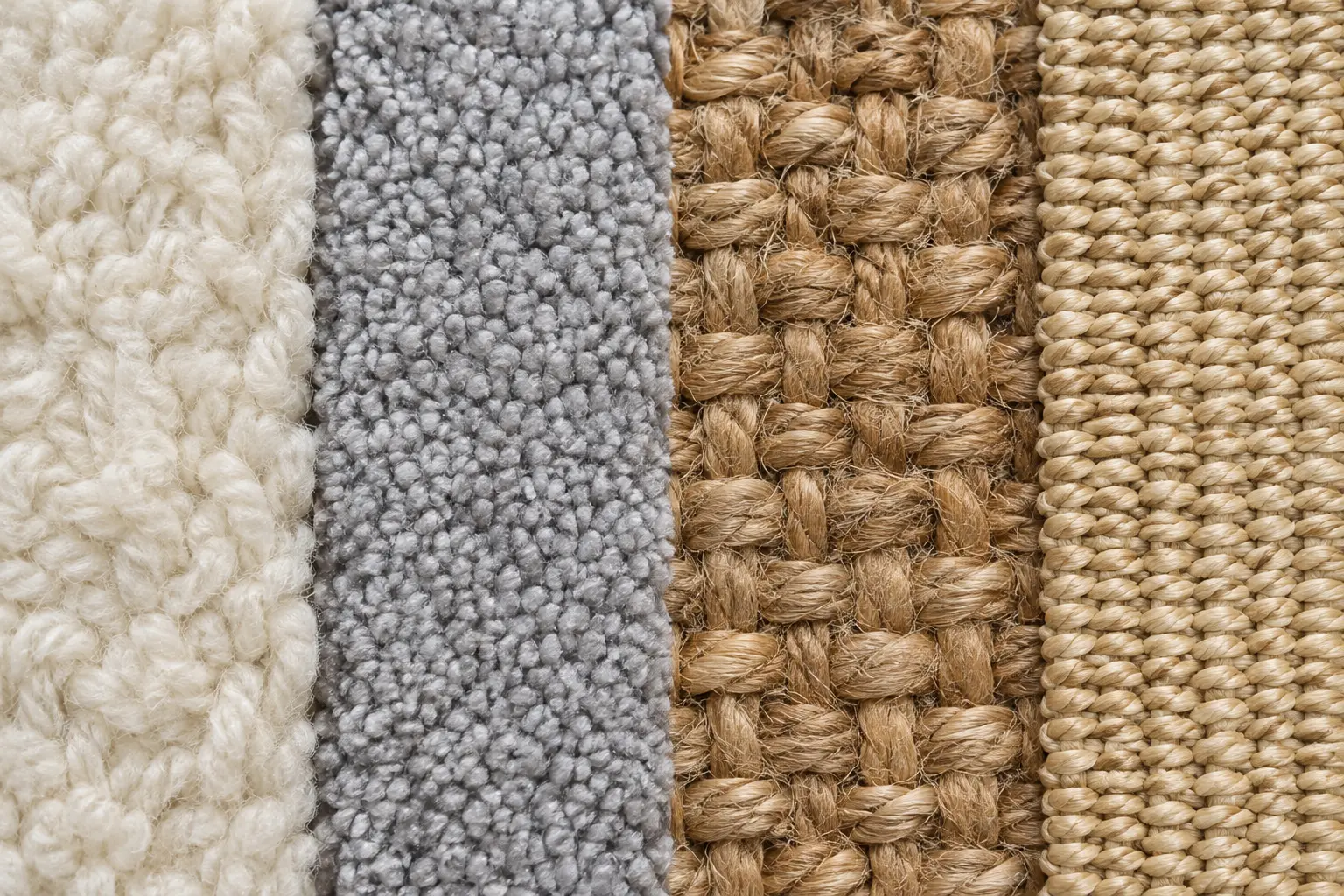
The single most common cause of carpet cleaning gone wrong — shrinkage, colour bleeding, pile damage, water marks — is using the wrong cleaning method for the fabric type. What works perfectly on a nylon carpet can ruin a wool rug. What's safe for synthetic pile is damaging to jute backing.
This guide covers the six main carpet fibre types found in Singapore homes, what makes each distinct, and the cleaning approach that's appropriate for each.
Fibre types covered:
Nylon
The most widely used carpet fibre globally and in Singapore, particularly for wall-to-wall carpeting. Nylon is durable, resilient — it springs back well after compression — and responds excellently to wet extraction.
Cleaning method: Standard wet extraction. Pre-treatment for stains, appropriate pH cleaning solution (6.5–8.0 range), solution application and wet extraction. Nylon is robust enough to handle thorough wet cleaning and dries well.
Key care points: Nylon can be bleached by sunlight over time and may lose colour if exposed to alkaline cleaners beyond pH 10. Avoid harsh bleaching agents. The fibre is otherwise low-maintenance and straightforward to clean professionally.
Polyester
Common in area rugs and budget wall-to-wall carpet. Softer feel than nylon but less resilient — polyester pile tends to mat and flatten in high-traffic areas over time. Good stain resistance to water-based stains; oil-based stains are more problematic.
Cleaning method: Wet extraction with appropriate pre-treatment. Polyester handles moisture well. However, oil-based stains require specific solvent pre-treatment — water alone won't break down oil on polyester fibres.
Key care points: Avoid aggressive scrubbing or high-pH alkaline solutions, which can damage fibre structure. Once polyester pile is physically matted, cleaning can improve appearance but won't fully restore pile height — that's physical wear, not a cleaning issue.
Wool
The most delicate common carpet fibre and the one most frequently damaged by incorrect cleaning. Wool is a natural protein fibre — the same chemistry as hair. It responds well to correct treatment and very badly to incorrect treatment.
Cleaning method: Low-moisture extraction only, with wool-safe (pH 5–8) cleaning solutions. Wool is highly sensitive to alkalinity — solutions above pH 8 cause fibre swelling, shrinkage and colour damage. Wool is also sensitive to excessive moisture and slow to dry, making thorough extraction essential.
Key care points: Never use standard carpet cleaning chemicals on wool without checking pH compatibility. Never use bleaching agents. Always ensure thorough moisture extraction — wool left damp will shrink and potentially mould. A professional cleaner should always spot-test on wool before proceeding. Wool carpets cleaned correctly last for decades; cleaned incorrectly, they can be ruined in one session.
Jute and Sisal
Natural plant fibres increasingly popular in Singapore homes for area rugs. They have a distinctive texture and natural appearance — but they have a critical limitation: they cannot be wet-cleaned with standard wet extraction.
Water causes jute and sisal fibres to swell, shrink, and in some cases develop brown discolouration (called "browning") as tannins from the fibres migrate to the surface as they dry. Water damage to jute and sisal can be permanent.
Cleaning method: Dry cleaning methods only — absorbent compound cleaning or very low-moisture techniques with extremely thorough extraction. For jute and sisal, prevention matters more than treatment: vacuum regularly, deal with spills immediately by blotting (never rubbing, never wetting).
Key care points: If a jute or sisal rug has been badly stained or soiled, the honest answer may be that wet stain removal isn't possible without risk of water damage. A professional should inspect and advise before any treatment is attempted.
Polypropylene / Olefin
A synthetic fibre used in budget carpets and outdoor/indoor rugs. Highly stain-resistant to water-based stains — polypropylene is hydrophobic, meaning water-based liquids bead rather than absorb. This makes it very easy to clean for most spills.
Cleaning method: Wet extraction can work well. Because polypropylene doesn't absorb water-based liquids readily, it also dries faster than most fibres after wet extraction. Oil-based stains are more problematic — the hydrophobic nature that resists water makes polypropylene more susceptible to oily contaminants.
Key care points: Polypropylene is sensitive to heat — very hot water or steam can distort fibres. Professional cleaners moderate water temperature for polypropylene. Also, polypropylene generates static electricity; avoid aggressive dry cleaning methods that compound this.
Blended Fibre Rugs
Many area rugs — particularly those labelled as "wool blends" or "natural blends" — combine multiple fibre types. A typical wool-synthetic blend might be 80% wool and 20% nylon. The care requirements default to the most sensitive fibre in the blend.
Cleaning method: Identify all fibre types (usually on the label or care tag) and apply the care requirements of the most sensitive one. A wool-nylon blend gets treated as wool — low-moisture, pH-neutral solution, thorough extraction.
Key care points: Hand-knotted and hand-tufted blended rugs from India, Turkey, or Iran are often the most complex — they may use natural dyes that run with certain solution chemistries, plus varied fibre content. A professional cleaner will spot-test these before proceeding.
How to identify your carpet fibre type
If you don't know what your carpet or rug is made of:
- Check the label: Most area rugs have a label on the backing stating fibre content. Wall-to-wall carpet may have documentation from installation.
- The burn test: Pull a few fibres from an inconspicuous spot. Natural fibres (wool, jute) burn slowly and smell like burning hair or wood, leaving a crushable ash. Synthetics melt rather than burn, smell chemical, and leave hard beads.
- Ask a professional: An experienced carpet cleaner can identify fibre type by sight and touch in most cases, and will test-clean an inconspicuous area before proceeding.
When in doubt, don't guess. The cost of professional assessment is zero — we discuss your carpet type before booking. The cost of cleaning a wool rug with the wrong method can be permanent damage. Always identify the fibre before applying any cleaning method.
Unsure about your carpet type?
WhatsApp us a photo and description. We'll advise on the right method before you book anything.
Ask on WhatsApp