Why Regular Professional Carpet Cleaning Is Essential in Singapore — Not Just Nice to Have
By MyCleanHome · May 2026 · 7 min read
Most Singapore households vacuum their carpets regularly. Some do it weekly. It feels like maintenance. What the vacuum doesn't reveal — and what regular vacuuming genuinely cannot address — is what has accumulated in the fibres below the surface layer the suction reaches.
In Singapore's climate specifically, carpets are not just a cosmetic concern. They're an active habitat for allergens and biological matter that affect air quality, respiratory health and sleep. This article explains the science and makes the case for why professional extraction cleaning belongs on a schedule, not just in response to visible staining.
In this article:
What's actually inside a Singapore carpet
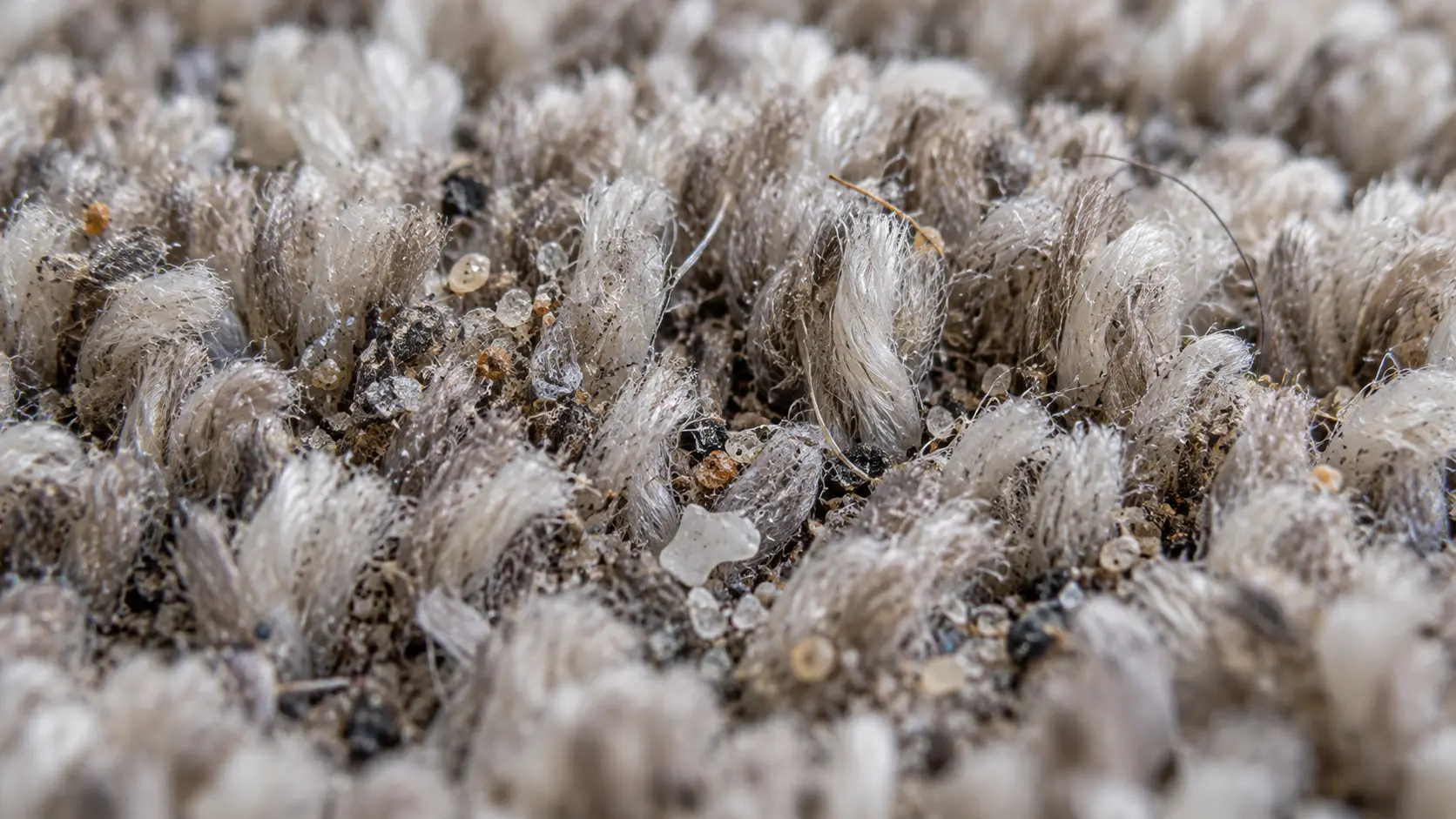
A carpet functions as a large particulate trap. Over time, it accumulates everything that settles on it or is tracked across it:
- Dust mites and their waste: The primary allergen source. Dust mites thrive in carpet fibres — warm temperature, high humidity, abundant food source (shed skin cells). Their faecal proteins are the allergens that trigger asthma and rhinitis, not the mites themselves.
- Dead skin cells: Humans shed approximately 1.5 grams of skin per day. A significant portion ends up in carpets, where it feeds mite populations.
- Bacteria and mould spores: Moisture — from tracked-in wet feet, spills, or ambient humidity — creates conditions for bacterial and mould growth in the lower carpet layers and underlay.
- Pet dander: For households with pets. Dander penetrates deep into carpet fibres and is notoriously difficult to remove with conventional vacuuming.
- Tracked-in soil and chemicals: Everything brought in on shoes — soil, pesticides, pollen, road dust, cleaning chemicals from corridors. These aren't just cosmetic; many are mild respiratory irritants.
- Volatile compounds: Outgassing from synthetic carpet fibres (particularly newer carpets), adhesives used in laying, and compounds absorbed from indoor air over time.
Why Singapore's climate is the decisive factor
Dust mite population studies consistently show that tropical humid climates like Singapore support far higher mite densities than temperate regions. The optimal conditions for dust mite reproduction are temperatures above 25°C and relative humidity above 60–65%. Singapore's indoor conditions — even air-conditioned — sit squarely within this range year-round.
In a temperate climate, winter temperatures suppress mite populations naturally for several months each year. In Singapore, there is no such suppression cycle. Mite populations grow continuously, limited only by food availability and cleaning frequency.
The practical implication: a carpet in a Singapore home accumulates biological load faster than the same carpet in a cooler country. Guidance developed for temperate climates — "clean your carpets once a year" — underestimates what's appropriate for Singapore conditions by a significant margin.
Mould compounds the problem. Carpets that absorb moisture from humidity, foot traffic or spills provide an ideal substrate for mould growth in the underlay. Once mould establishes in carpet underlay, surface vacuuming has no effect whatsoever — and the spores continue to enter the air from below.
What vacuuming actually does — and doesn't do
Regular vacuuming is worthwhile and meaningfully reduces surface debris. Here's an honest account of what it achieves and where it falls short:
What vacuuming does well
- Removes loose surface debris, dust and hair
- Removes recently shed skin cells before they become embedded
- Reduces visible soiling and helps maintain carpet appearance
- With a HEPA vacuum, captures fine particles that would otherwise become airborne
What vacuuming cannot address
- Embedded biological matter in the mid and lower pile — the suction doesn't reach deep enough in most carpet pile depths
- Mite faecal matter, which is sticky and adheres to fibres rather than lying loose
- Bacteria in the lower pile or underlay
- Staining from any liquid — water-based or oil-based
- Odours arising from biological material below the surface layer
- Pet dander that has penetrated into the backing
- Any contamination in the underlay
The compaction problem: Regular vacuuming also compacts the carpet pile over time, pushing embedded matter deeper rather than extracting it. Wet extraction can help address embedded soiling by loosening compressed fibres and restoring pile height alongside removing contaminants.
The health case — who this matters most for
For healthy adults without respiratory conditions, the health effects of living with a carpet that's never been professionally cleaned are real but subtle — slightly elevated inflammatory load, potentially reduced sleep quality, ambient allergen exposure. Noticeable mainly in retrospect after a thorough clean.
For certain groups, the health case is much stronger:
- Asthma sufferers: Dust mite allergens are among the most common asthma triggers. Carpets in regularly used rooms are often the highest allergen concentration source in the home. Regular professional extraction meaningfully reduces this load.
- Children: Spend more time at floor level, in closer contact with carpet. Immune systems are still developing. Singapore's rates of childhood asthma and allergic rhinitis are among the highest in the world — indoor allergen load is a significant contributor.
- People with allergic rhinitis: The same mite allergens that trigger asthma cause rhinitis — chronic runny nose, sneezing, blocked sinuses. Living with high-allergen carpets produces persistent low-grade symptoms that many people have simply normalised.
- Elderly residents: Reduced respiratory resilience, more time spent indoors, more sensitive to persistent low-level allergen exposure.
Professional cleaning extends carpet life — the financial case
Beyond health, there's a straightforward financial argument. Embedded abrasive particles — soil, grit, sand — gradually cut carpet fibres as the carpet is walked on. This is the primary mechanism of carpet wear. Regular vacuuming reduces surface grit; extraction removes what's embedded in the pile before it abrades the fibres.
Carpets that are professionally cleaned regularly maintain their pile height and appearance for significantly longer than those that aren't. The cost of annual professional cleaning is trivially small compared to the cost of carpet replacement — and for quality area rugs, the difference is even more pronounced.
How often — Singapore-specific recommendations
| Household type | Recommended frequency |
|---|---|
| Low-traffic, no pets, no allergy concerns | Once a year minimum |
| Standard household, children present | Every 6–9 months |
| Pets that access carpeted areas | Every 3–6 months |
| Asthma or allergy sufferers in household | Every 3–6 months |
| High-traffic areas (hallways, living rooms) | Every 6 months |
| After any significant spill or accident | Within 2–4 weeks (before it sets) |
Book professional carpet cleaning
WhatsApp us your carpet sizes for a fixed quote in 5 minutes. Bundle discounts for multiple pieces.
Get My Free Quote